
Case Study: KK116 Commercial Biltong & Smalls Chamber
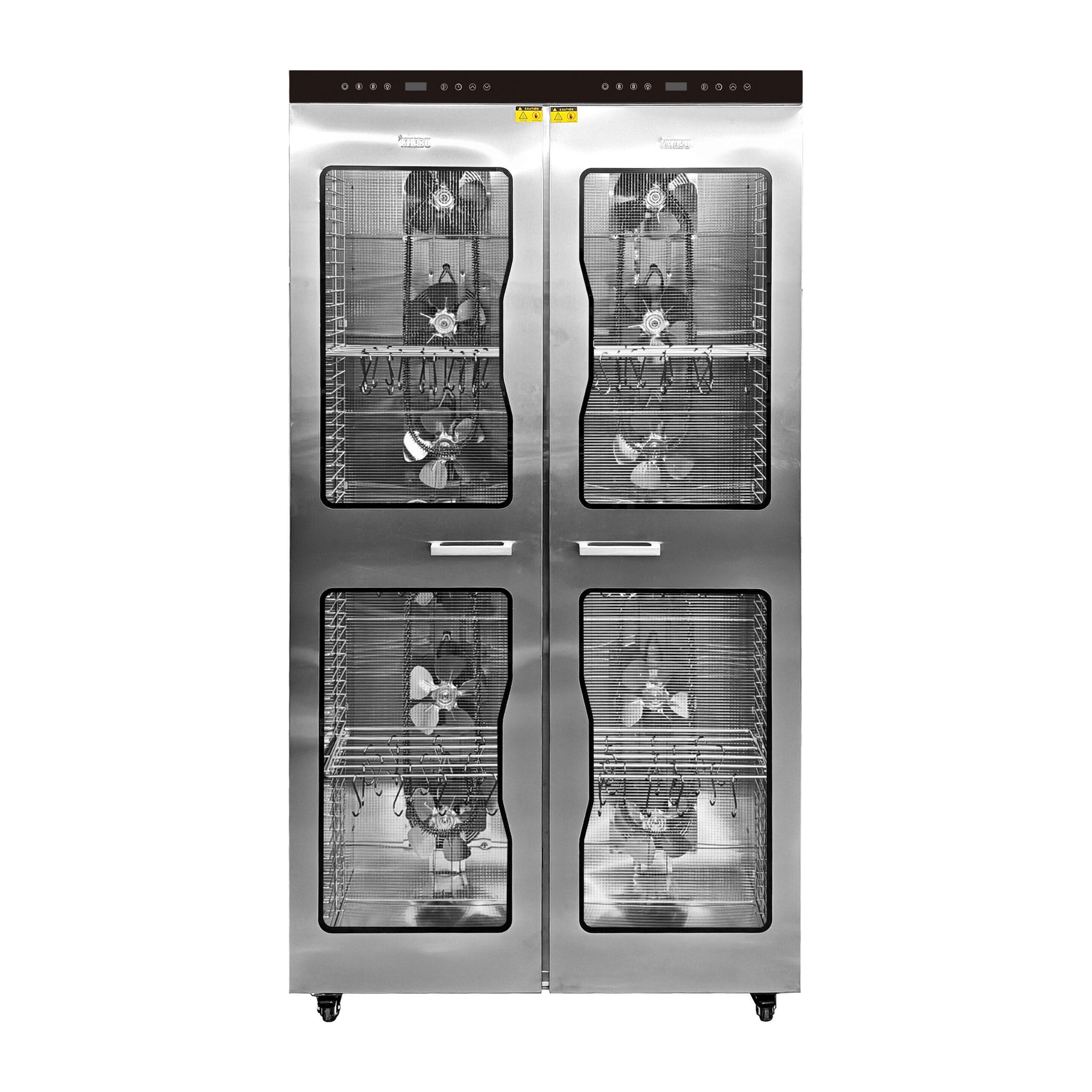
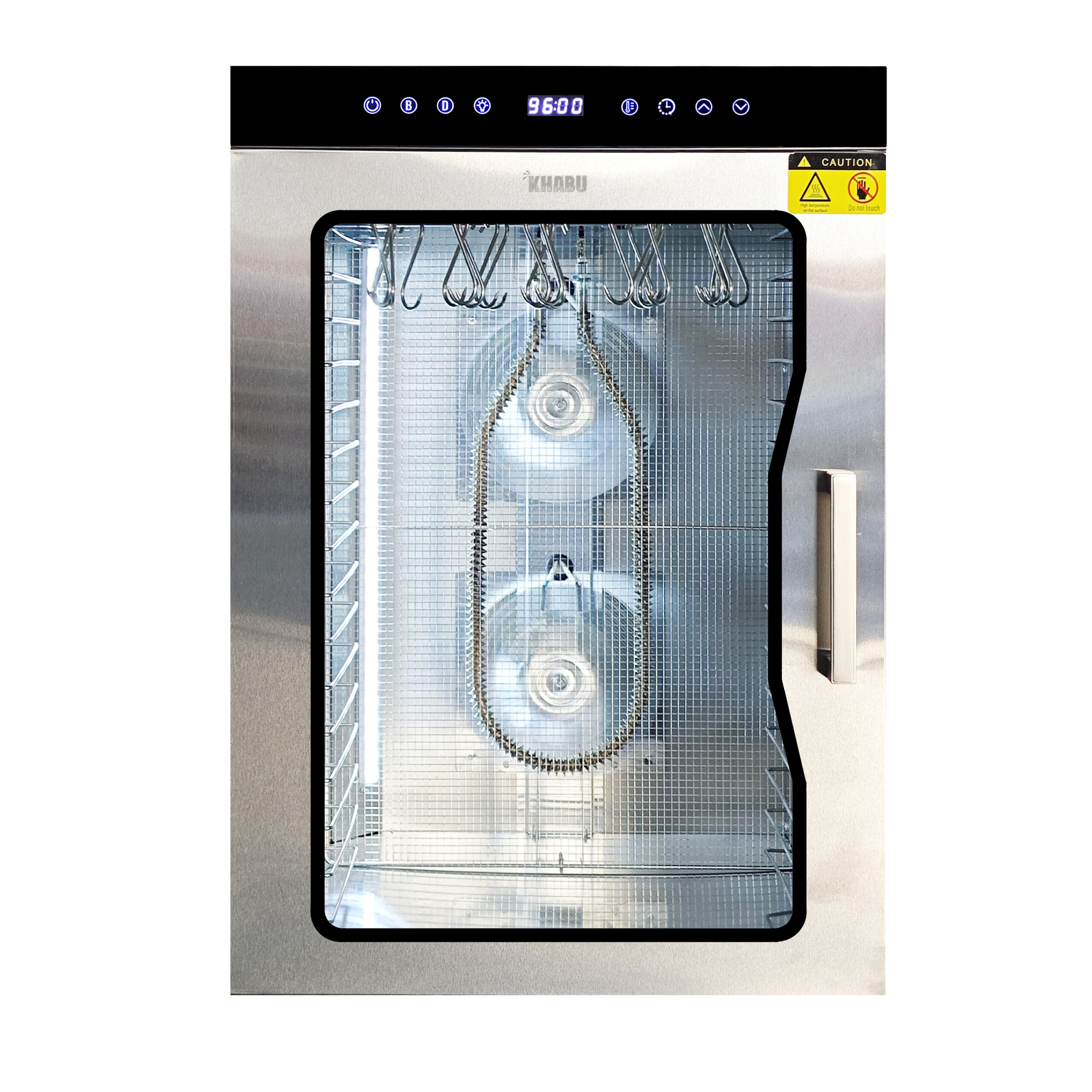
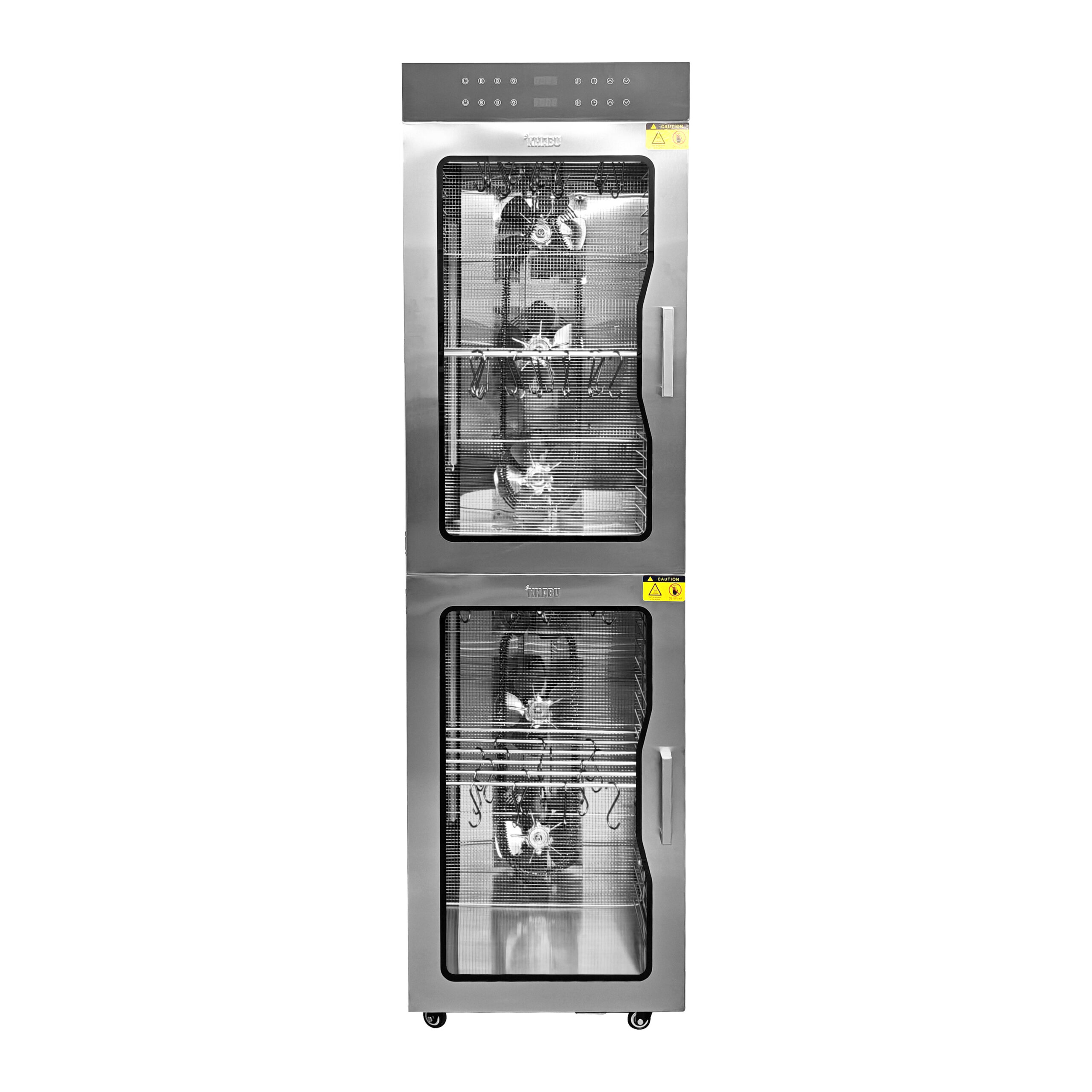
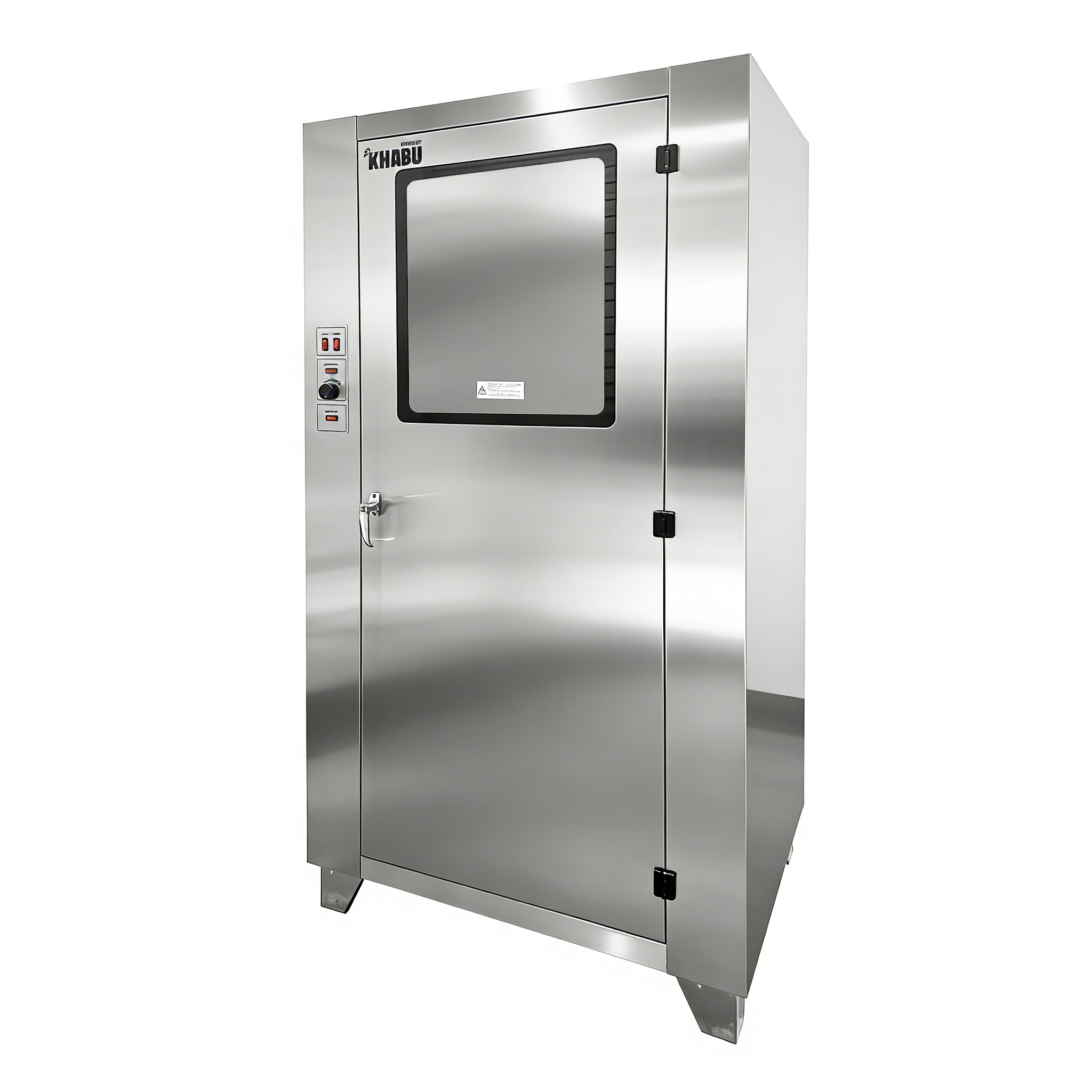
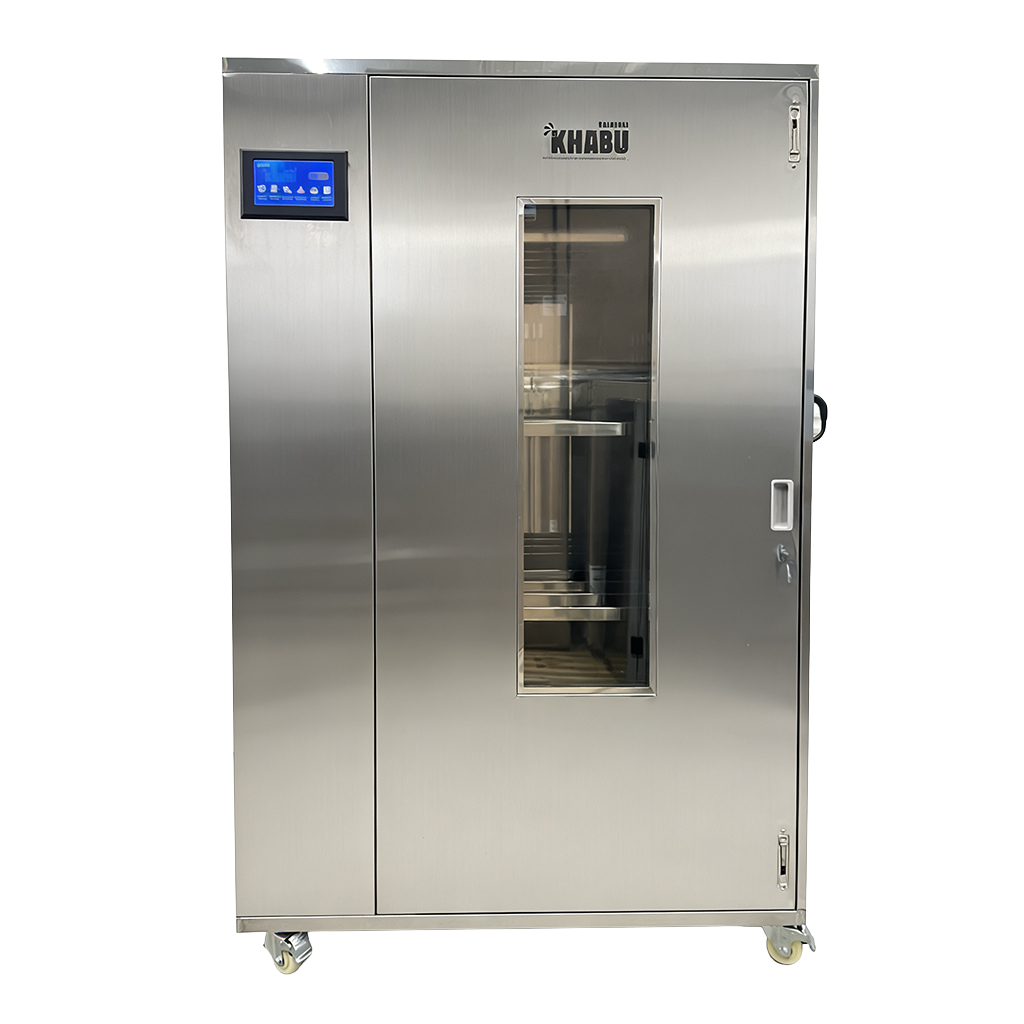
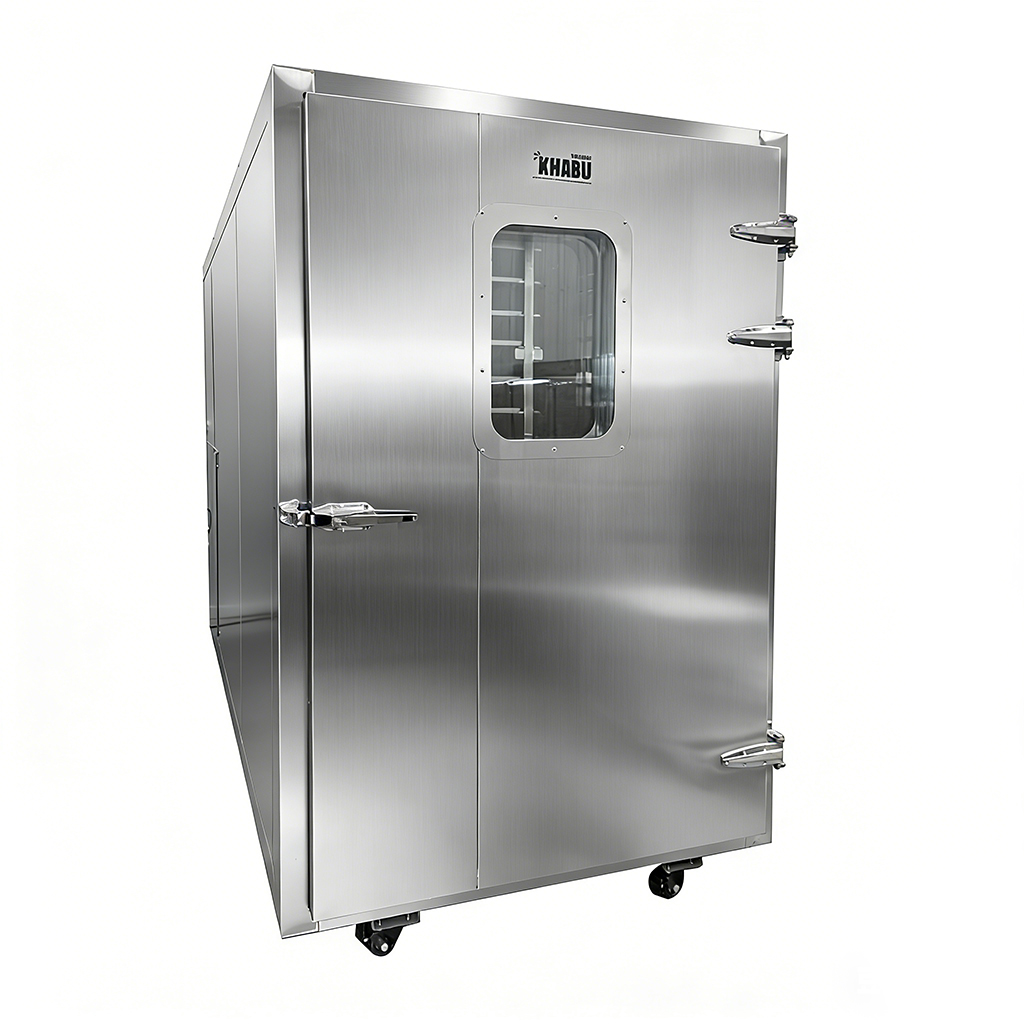
The KK116 Commercial Biltong & Smalls Chamber is built for businesses that need higher production capacity and the flexibility to run traditional biltong slabs and large volumes of biltong smalls from the same chamber. It suits manufacturers supplying retailers, convenience stores and wholesalers, where fast-turnaround smalls are a core product line.
Running both product lines from one chamber keeps production moving through the week and gives you room to respond to what your customers are ordering.
Weekly Production Schedule
Batch 1 – Traditional Biltong Slabs
- Load: 120 kg wet meat
- Finished product: 60 kg dried biltong
- Drying time: 80 hours
- Gross profit: 60 kg × $40 = $2,400
Batch 2 – Biltong Smalls
- Load: 116 kg wet meat
- Finished product: 46.4 kg dried smalls
- Drying time: 24 hours
- Gross profit: 46.4 kg × $50 = $2,320
Batch 3 – Traditional Biltong Slabs
- Load: 120 kg wet meat
- Finished product: 60 kg dried biltong
- Drying time: 80 hours
- Gross profit: 60 kg × $40 = $2,400
Weekly Profit Potential
- Traditional biltong slabs: 120 kg finished product = $4,800 gross profit
- Biltong smalls: 46.4 kg finished product = $2,320 gross profit
Total Weekly Gross Profit: $7,120
Monthly Profit Potential
Based on four weeks of continuous production:
- Traditional biltong slabs: 480 kg finished product
- Biltong smalls: 185.6 kg finished product
- Total finished production: 666 kg per month
Estimated Monthly Gross Profit: $28,480.00
Why the KK116 Makes Business Sense
The KK116 is engineered for businesses ready to scale. Two large slab batches a week give you a steady supply of premium product, while the 24-hour turnaround on smalls brings cash in faster and covers a different kind of order.
That combination lets you service wholesale customers, retailers, supermarkets, sporting clubs and direct consumers from a single chamber, with very little downtime between batches.
One operator can produce hundreds of kilograms of premium dried meat a month with relatively little hands-on labour. The chamber manages the drying while you concentrate on sales, packing and growing the customer base.
KK116 or KK120?
These are two different machines that reach biltong by different routes. The right one depends on which route you want.
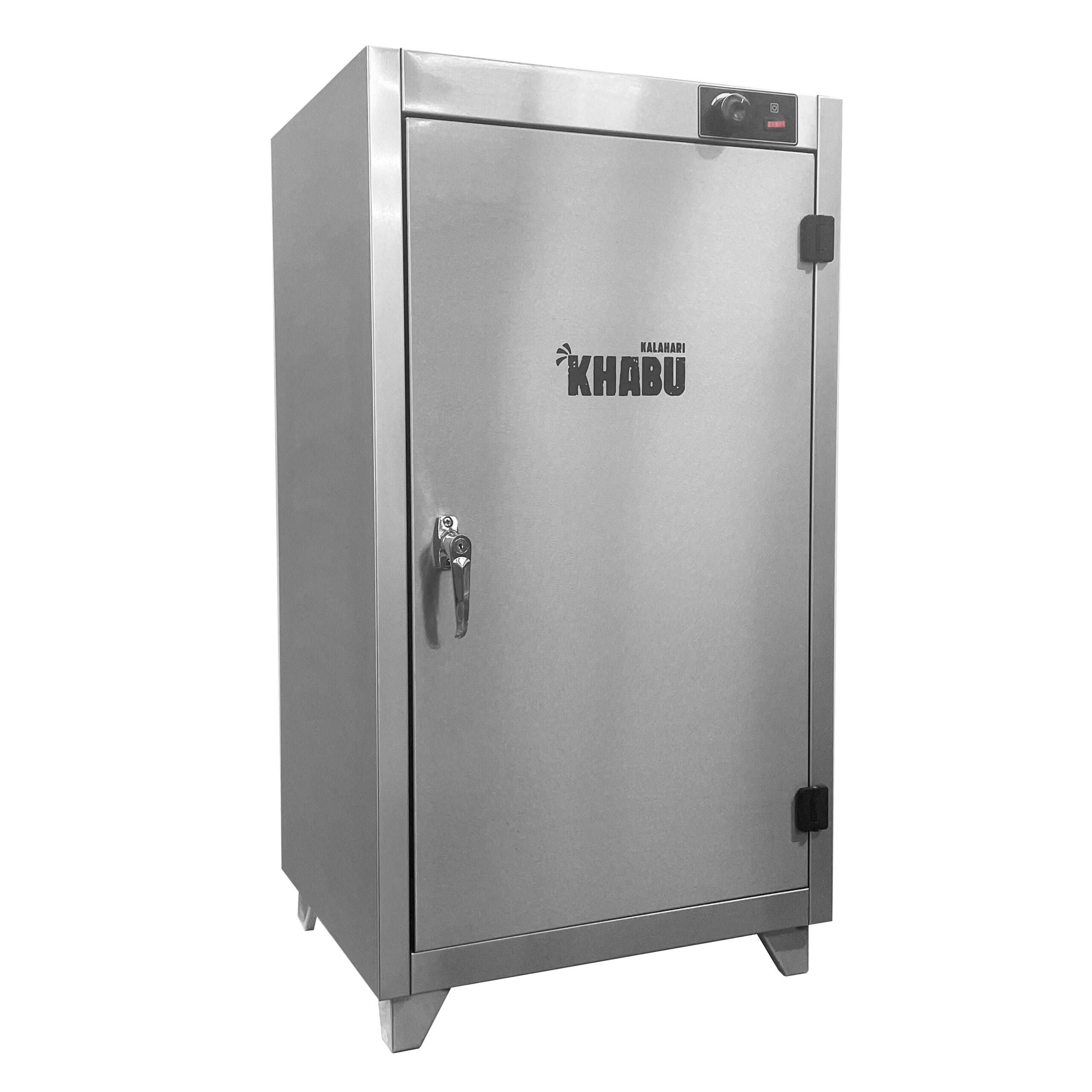
The KK120 is the traditional chamber. Meat hangs, the air moves gently, and the cycle runs a full four days. That is the Highveld winter benchmark South African makers have worked to for generations: around 22 degrees, a slight breeze, four days hanging. Drying slowly is what stops the outside sealing before the middle has let its moisture go. Makers who judge biltong on the finish choose this chamber and treat the longer cycle as the price of getting it right.
The KK116 is built around a different airflow system. It is engineered to balance quality against speed, and its 116-tray configuration opens up small-format production the KK120 is not built for. Snapsticks, biltong leaves, nuggets, wagon wheels and bite-size retail packs come off the trays in around 24 hours, which is what makes it a retail and convenience production chamber.
The traditional method costs less to run. Gentle airflow over four days uses roughly half the electricity per kilo of finished slabs that the KK116’s system does.
So the question is what you are building. If your customers judge your biltong the way a South African family judges it, the KK120 is your chamber. If you are supplying retail and convenience where small-format packs turn over fastest, the KK116 is built for that work.
Estimated Monthly Gross Profit: Approximately $28,480, based on two batches of traditional biltong slabs and one batch of biltong smalls each week. The KK116 suits businesses looking to lift production capacity, move into wholesale, and build a profitable commercial dried meat operation.
Disclaimer
The production capacities, gross profit estimates and financial examples shown in this document are provided for illustrative purposes only. They are based on typical operating conditions, estimated production cycles and assumed selling prices. Actual results will vary depending on factors including product quality, meat costs, ingredient costs, labour, electricity prices, production methods, operating efficiency, market demand, selling prices, local regulations and individual business performance.
Kalahari Khabu does not guarantee any specific production output, revenue, profit or return on investment. Customers are encouraged to conduct their own market research and financial analysis and seek independent accounting or business advice before making any purchasing or investment decisions.
All production figures quoted represent the potential capabilities of Kalahari Khabu equipment when operated correctly under suitable conditions. Individual results may differ.
© Kalahari Khabu. All rights reserved.