
How to make burger patties that aren’t raw
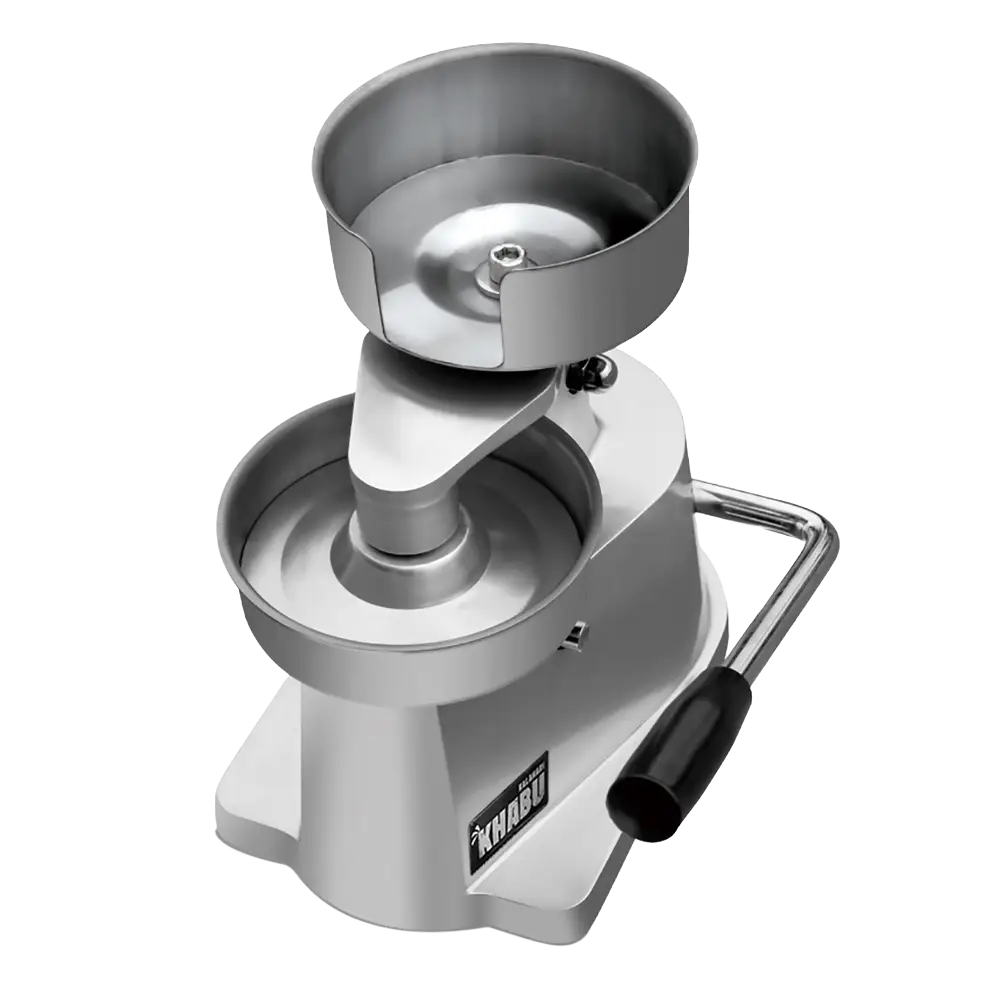
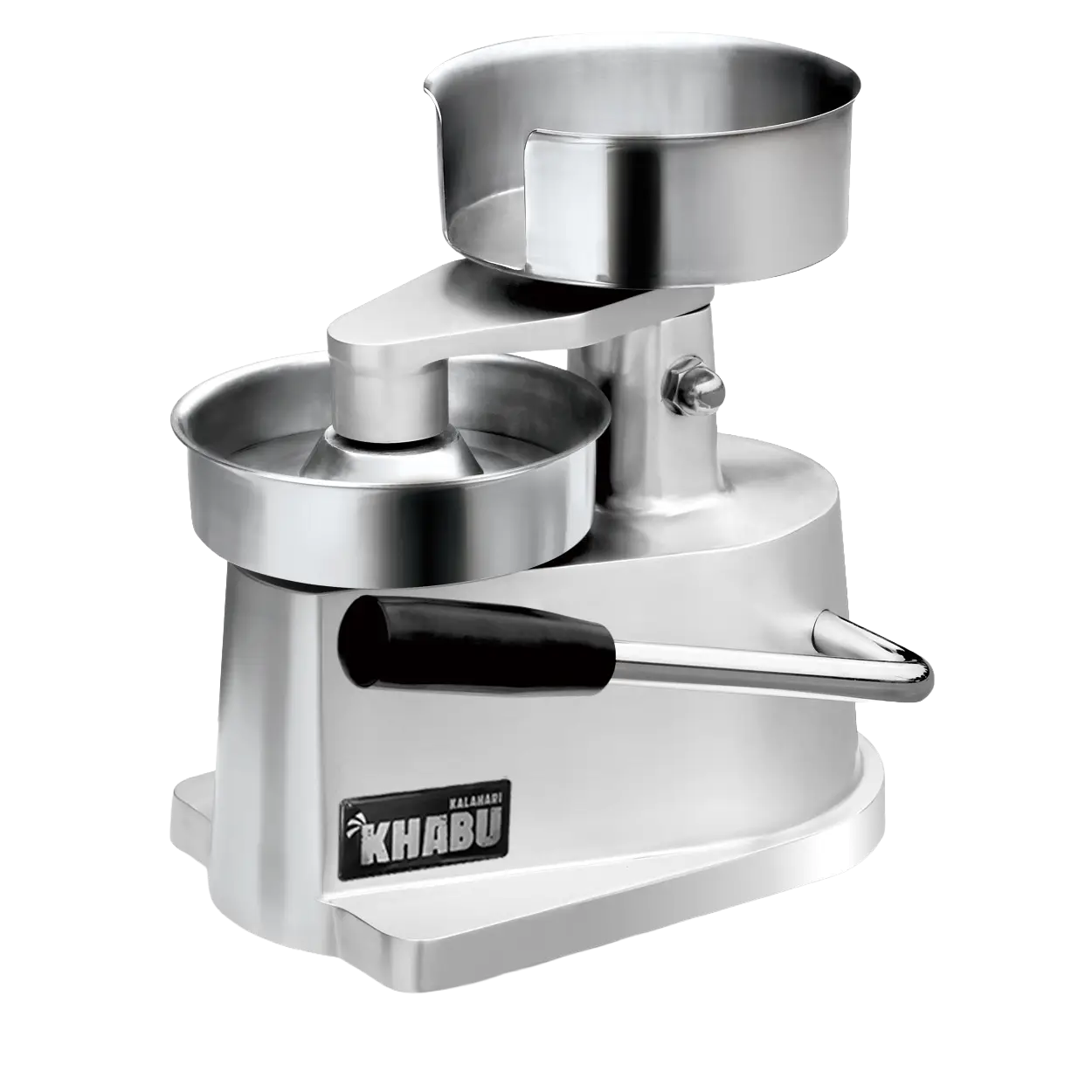
KK H130 Hamburger Patty Press
12 month warranty.
$349.95. FREE NZ SHIPPING
Why burgers burn on the outside and are raw in the middle
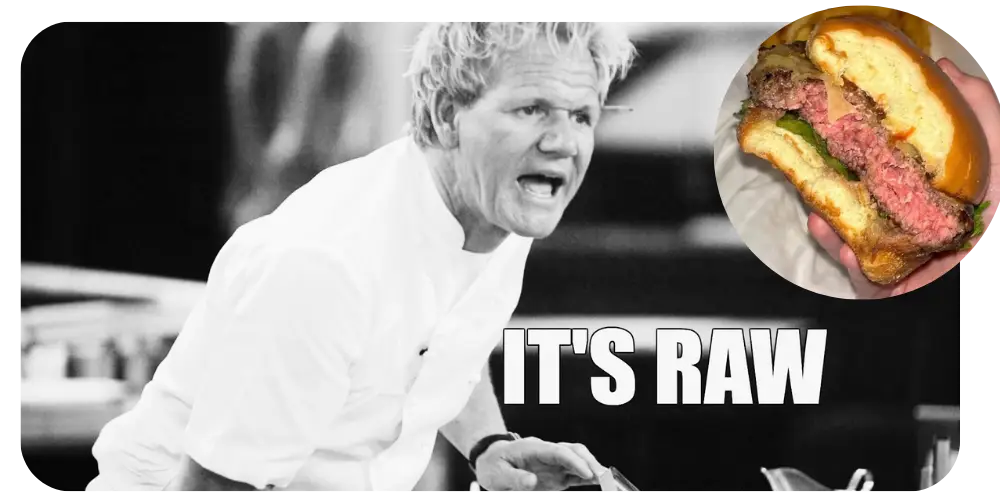
How can this be?
The temperature was fine.
You thought you had cooked them long enough on each side.
We take you through the formula for the perfect patty including how long to cook a patty and the five steps for the perfect batch every single time.
Why mince should be cooked through
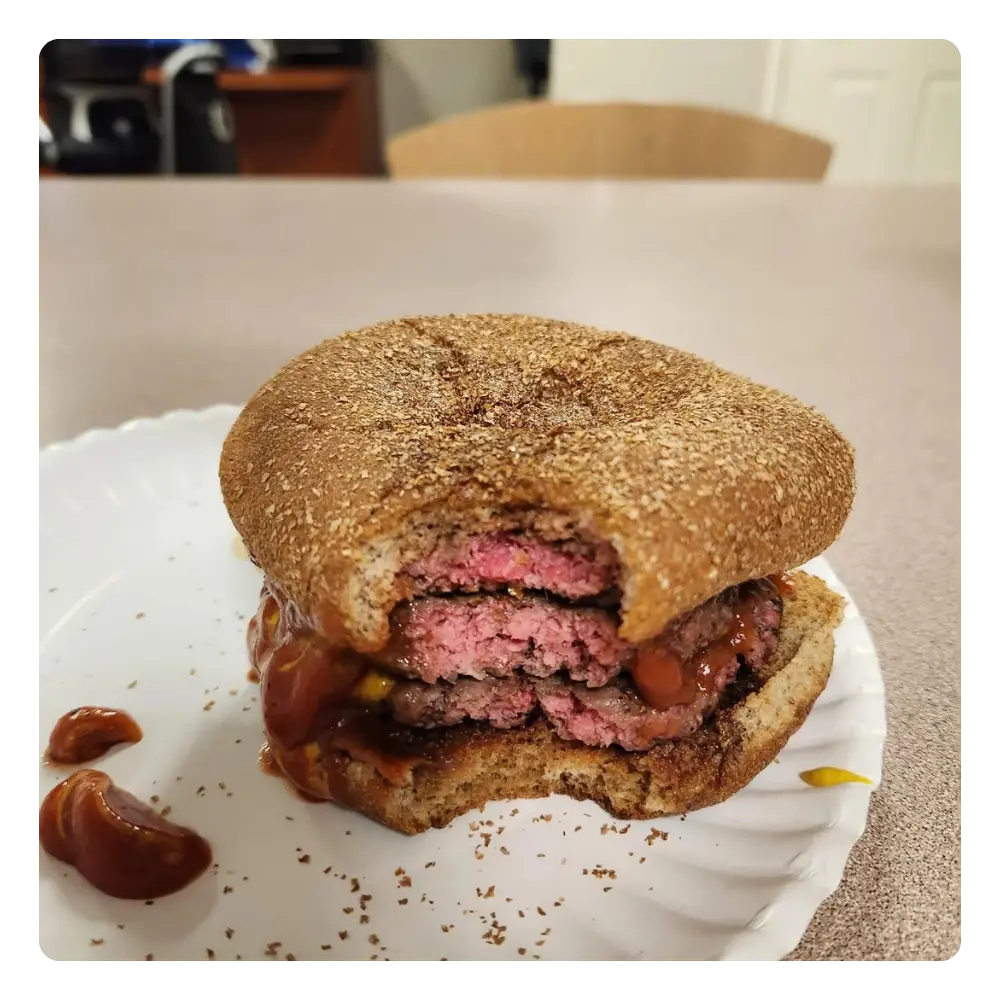
Mince should be cooked through because the act of mincing meat exposes the center of the cut to the outside world.
That’s not a problem if you own your own grinder.
We sell those too btw:
KK SL08 Meat Grinder
But it can be a problem when it comes from a supermarket.
There’s a lot of unknown variables there which you have to trust.
1. Meat Freshness (Primal Cut Age)
How long the whole muscle cut was stored before being processed into mince.
2. Time Since Grinding
The exact time elapsed between mincing and purchase
3. Handling & Equipment Sanitation
The hygiene standards of the butcher, prep surfaces, and grinding machines to prevent cross-contamination.
4. Cold Chain Integrity
Whether strict, unbroken refrigeration temperatures were maintained throughout every stage.
These factors are important because grinding meat incorporates surface bacteria throughout the meat. That is why New Zealand Food Safety says minced meat needs to be over 75°C all the way through, with juices that run clear. Now if you grind the meat fresh or trust whoever made the burger to have ground the meat fresh then there is minimal risk of contamination. If you don’t know when the meat was ground and how long it’s been sitting, there is a higher risk of bacterial growth and contaminated meat.
It’s not as big an issue with a steak. There is usually no issue with a steak coming off the grill rare to medium rare (in fact most people prefer it).
That’s because the microbes on a steak sit on the outside, and a hot pan kills them there.
What a good homemade burger needs:
- Vigorously mix salt and spices into the minced meat to activate the myosin protein
- Size the patties so they start bigger than the bun to account for shrinkage
- Every patty on the grill ready at the same time
- A centre that is cooked through while the outside stays juicy
How long does a thicker burger take to cook?
A patty twice as thick takes about four times as long to cook through.
The Modernist Cuisine team found that many cooks expect a steak twice as thick to take twice as long. Their rule is that each time you double the thickness, cooking time roughly quadruples.
Heat has to travel in from the outside, and meat passes heat along slowly. The further it has to go, the slower it gets. We call this the square rule. Twice as thick means two times two, so four times as long.
A patty shaped by hand often ends up thinner at the edge and fat in the middle.
Once you apply heat the proteins contract from all sides and push the meat in the center upwards. This creates a bulge in your burger, resulting in an uneven surface for your condiments and bun.
It also means that the burger doesn’t cook through evenly.
You end up taking it off early with a raw center or you leave it on too long and get dry, crumbly patties.
The problem is multiplied if you are cooking several patties at the same time.
One patty a little fatter than the rest holds up the whole batch, and the thin ones dry out while they wait. If you take them off earlier then you end up with cold patties.
How to shape a burger patty
The perfect patty is flat on both sides and the same width as every other patty in the batch.
When doing this by hand it is important to follow these steps:
1
Use a scale to measure out each portion
2
Put baking paper squares on the top and bottom. Use a dinner plate to apply equal pressure on a flat surface
3
Make sure you apply consistent pressure to each patty to keep the width consistent across the entire batch
4
The mince should be pressed firmly enough that it holds together
Side note: the secret to a good hand mixed patty is these two steps.
Step 1 Activating the Proteins
When you’re mixing your salt and spices with the mince by hand your goal isn’t just to evenly distribute the condiments. By vigorously mixing the ingredients together you draw out a protein called myosin. This protein acts as a natural binder.
The Method:
Mix your cold minced meat firmly with your hands or a stand mixer until it becomes sticky. NOTE: make sure it doesn’t get too warm during this step. Pop it back in the fridge for 10 minutes if you find it is warming up too much. It will ruin the binding effect.
The Purpose:
This creates a tight protein network that holds the meat together, ensuring your burgers don’t fall apart during cooking and retain their juices.
Step 2 The Stickiness Check
This is a traditional chef’s test to check if you have mixed the meat enough to develop that protein bond.
The Method:
Take a portion of your seasoned, mixed meat and press it firmly into the flat palm of your hand. Turn your hand over so your palm faces down toward the bowl or counter.
The Result:
If the meat has been mixed enough to activate the proteins, it will stick securely to your hand without falling off. If it drops, the proteins haven’t bonded yet, and you need to mix it for another minute or two.
The H130 makes it effortless
If you want to make perfect hamburger patties effortlessly then allow us a little self promotion.
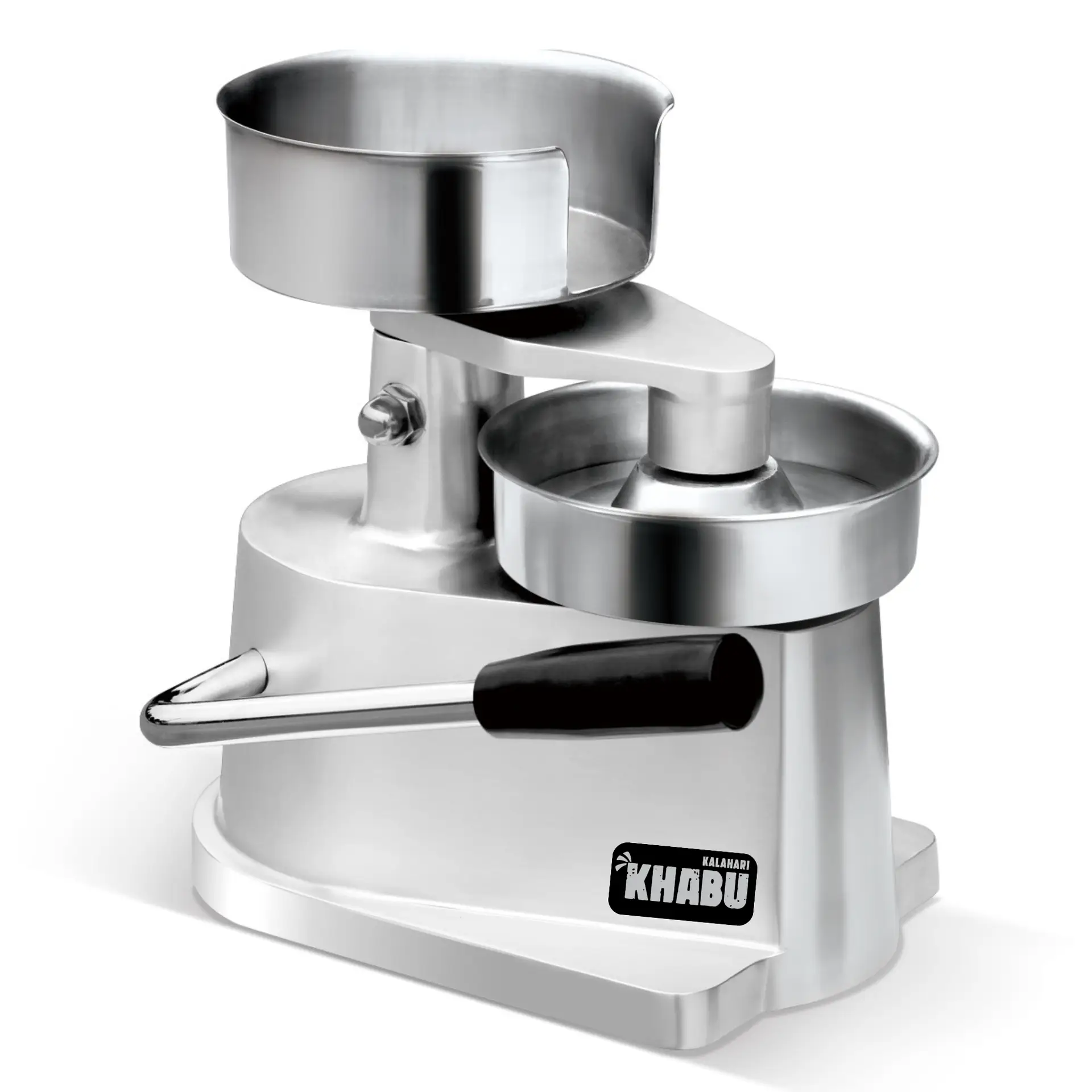
KK H130 Hamburger Patty Press combines all the pointers we listed into a single unit.
The secret is in the moulded lever press design. Mince goes into the mould between two sheets of baking paper, and one pull of the handle presses it into a 130mm round patty.
The flat plate gives you the same thickness from edge to middle. The 130mm mould keeps every patty exactly the same.
That means you get a patty that’s slightly bigger than most buns because you never want your burger bun to patty ratio to be on the small side.
No hockey puck burgers for us!
The lever press is optimised to apply the exact pressure required to keep the patty together through the grilling process.
Perfect hamburgers every single time. Minus the guesswork.
How to make a batch of burgers that cook evenly
1
Keep the mince in the fridge until you press it. Cold mince holds its shape better.
2
Weigh every portion. In a 130mm mould, about 150g makes a raw patty a little over 1cm thick.
3
Press a shallow dent in the centre with your thumb. Thick patties puff up in the middle as they cook, and the dent keeps the top flatter.
4
Add your seasonings on top of the patty just before going on the grill for that perfect salty crust
5
Cook on medium heat for 2 minutes on either side
6
If you have one you can insert a meat thermometer to check that internal temp is 75°C.
Burger questions we get asked
There is no single right thickness. What matters is that every patty is the same thickness from edge to middle and matches the rest of the batch, because a patty twice as thick takes about four times as long to cook.
Thick patties rise in the centre as they cook. A shallow thumb dent before they go on the grill keeps the top flatter.
Yes. It presses chicken, seafood and plant based mixes as well as beef and pork.

The short version
Mince has to reach 75°C in the middle, and a thick middle takes far longer to get there than a thin edge. Shape every patty flat and the same, and the whole batch cooks through together.
How thick do you like your burgers?
$349.95. Free shipping anywhere in New Zealand. 12 month warranty. Local support available from Matakana.